45
Days
12
Hours
44
Mins
29
Secs
left to apply


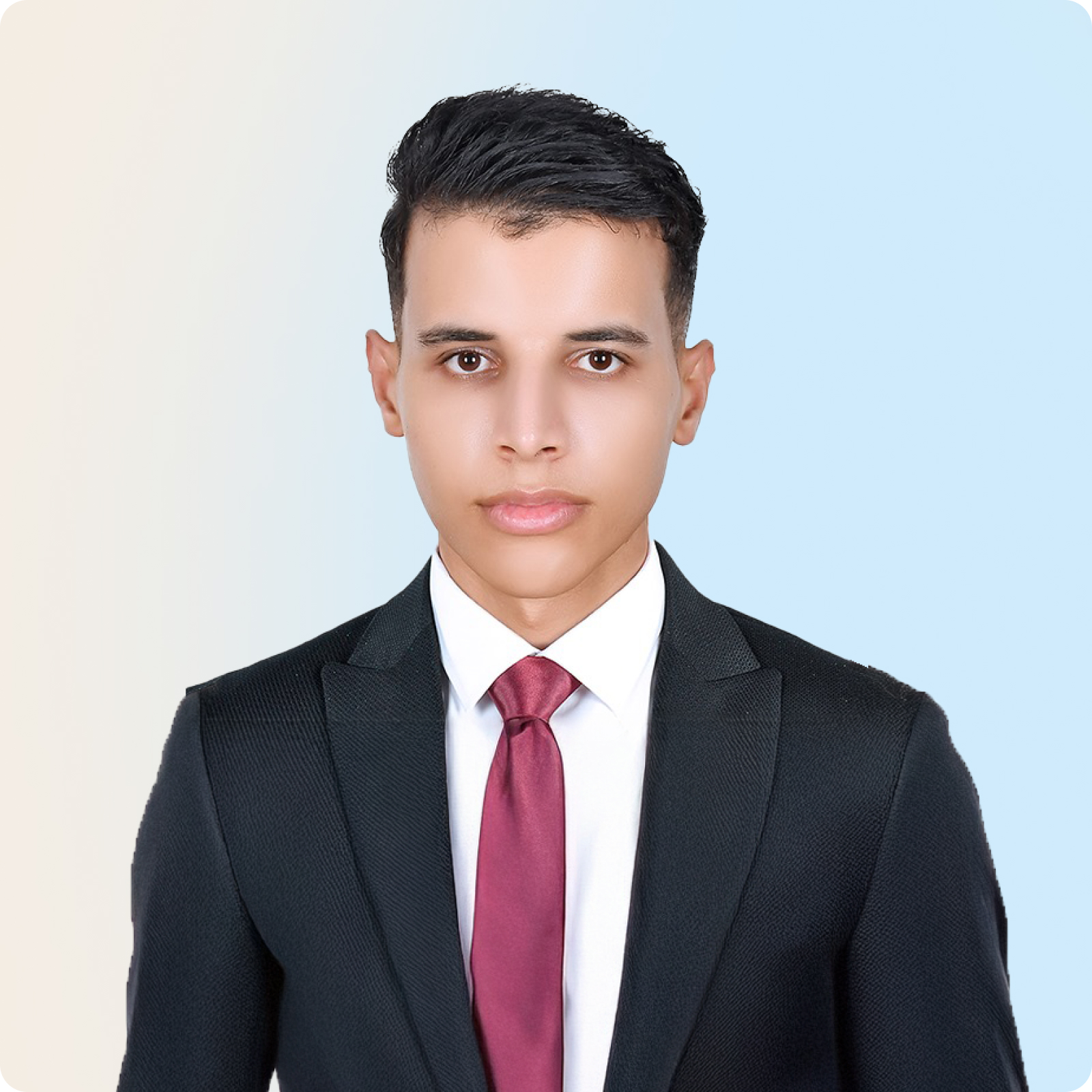
In a country shaped by years of conflict and fragmentation, Jummah Alsileeni is working to rebuild something both fragile and powerful: trust.
As a Libyan human rights defender, peacebuilder, and founder of Peace Pulse, Jummah creates youth-led spaces for dialogue, reconciliation, and civic participation in communities where fear and exclusion too often silence voices. His work centers marginalized groups — including youth, displaced people, women, and minorities — offering alternatives to violence through listening, inclusion, and collective problem-solving.
Living openly as a gay person and civic activist in an unstable and hostile environment, Jummah’s leadership is rooted not in the absence of fear, but in persistence despite it. Through the Global Fellows in Courage fellowship, he is strengthening his advocacy, refining strategy, and building solidarity with others navigating similarly high-risk contexts.
His courage is defined by sustained action: organizing dialogue, defending inclusion, and remaining visible in civic life despite personal and political risk.
Being part of Global Fellows in Courage gave me something I lacked for a long time: a real sense of community. Coming from Libya, where civic engagement is risky and isolating, the fellowship helped me feel less alone. Through tools like stakeholder mapping and advocacy planning, and through coaching sessions, I’ve been able to strengthen initiatives like Peace Pulse and feel more confident sharing not only challenges, but also solutions and hope.
Courage is not the absence of fear — it’s the decision to move forward despite it. As a human rights defender and openly gay person in Libya, courage has often meant survival. It’s choosing to speak about inclusion and civic engagement even when it’s dangerous, and being vulnerable about displacement, mental health, and struggle while continuing the work.
I’m working to address the lack of inclusive spaces for civic participation and peacebuilding in Libya. Years of conflict have destroyed trust and excluded many voices. Without inclusive dialogue, young people lose hope and communities remain trapped in cycles of violence. Creating safe platforms for listening and collaboration is urgent if we want a future beyond conflict.
My inspiration comes from my own life — experiencing exclusion, bullying, and persecution, but also witnessing resilience in my community. I wanted to transform personal hardship into spaces where others wouldn’t feel as isolated as I once did.
Leading the Voices for Environmental Justice project in southern Libya, supported by the Anna Lindh Foundation. Youth, displaced people, and refugees worked together to create community action plans and policy recommendations — many participating in civic dialogue for the first time.
The people. Seeing young people step into leadership, or communities find common ground, reminds me why this matters. And knowing I’m part of a global fellowship where I’m not alone gives me strength to keep going.
Jummah Alsileeni’s leadership reflects the heart of Global Fellows in Courage — courage rooted in vulnerability, community, and persistence. From Libya’s fragile civic spaces to global conversations on peacebuilding, his work reminds us that even in the most difficult contexts, dialogue can still take root.