45
Days
12
Hours
44
Mins
29
Secs
left to apply


In communities across India and much of the Global South, conversations about sexual and reproductive health are often met with silence. For Priyal Agrawal, that silence became unacceptable the night she sat beside a close friend in a hospital corridor as she fought complications from an unsafe abortion. Priyal realized then that withholding information can be deadly, and that young people deserve tools that protect their agency, dignity, and futures.
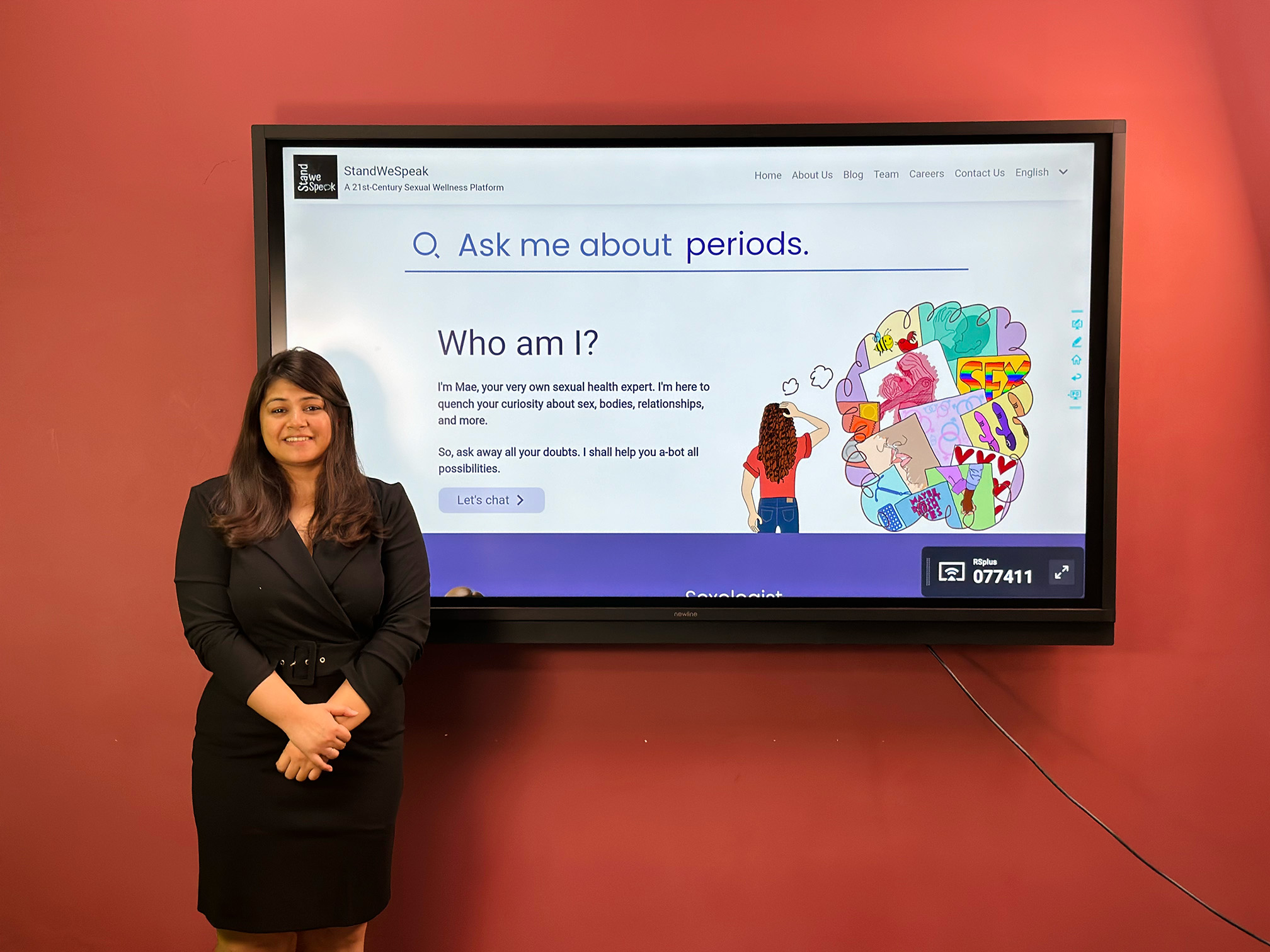
Today, as founder of StandWeSpeak, Priyal is breaking long-held taboos through technology, play-based learning, and community partnership. Her team created Mae, an AI-powered multilingual chatbot offering judgment-free guidance on consent, relationships, and sexual health, and Little Hands, Big Boundaries, a game box that teaches children as young as two about safe and unsafe touch. Together, these tools have reached 1.8 million users across six countries.
As a 2025 Global Fellow in Courage, Priyal is sharpening her leadership and expanding her vision for a world where sexual health is treated as a fundamental human right, not a topic cloaked in fear.
Her courage is quiet, steady, and profoundly human: choosing truth over silence, and turning her own lived experience into a lifeline for millions.

GFiC has been a rare space where courage is not only celebrated but sharpened. Through mentorship circles and a global network of human rights advocates, I have gained practical strategies to scale StandWeSpeak’s digital platform and game-based learning tools. What stands out most is the culture of vulnerability and trust. Sharing difficult parts of my journey, including my experience of dating violence, in a space met with empathy and insight has deepened both my resilience and my leadership. The relationships I have built here will shape my work long beyond the program.
Courage is choosing truth over silence, even when silence feels safer. As a survivor and someone who has witnessed the consequences of misinformation up close, speaking out was terrifying. But courage is action in the presence of fear. Each time I guide young people through conversations about consent and autonomy, I choose that courage again.
In India and many parts of the Global South, stigma around sexual health education fuels gender-based violence, unsafe abortions, and preventable health crises. Through Mae and our game box, we are breaking that silence and providing young people with knowledge and safety. Every day these conversations are delayed, more young people are left vulnerable to abuse or coercion. This is urgent because the stakes are lives, dignity, and long-term health.
.jpg)
We work with young people, especially girls, LGBTQ+ youth, and persons with disabilities across India and beyond. Our approach is participatory. Peer educators co-create content, children with diverse abilities help shape game design, and youth leaders run workshops in their own communities. Parents and teachers adapt resources so they resonate culturally and linguistically. This community-led approach builds trust and long-term ownership.
Mae has reached 1.8 million users across six countries. But one message stays with me: a teenage girl in rural Maharashtra shared that Mae helped her recognize abuse, seek help, and convince her parents to continue her education. These individual transformations reflect the quiet revolution we are building.
Yes. Sitting in that hospital corridor beside my friend during an unsafe abortion emergency. I understood then how silence kills. That moment shaped every decision since and continues to anchor me when challenges feel heavy.
I hope to see a cultural shift where sexual health is seen as a basic human right, where families talk openly about consent, and where survivors can access support without fear. StandWeSpeak aims to empower more than 10 million young people, expand Mae into multiple languages, scale to at least five countries, and integrate voice features so even low-literacy communities can access information.
Hope lives in the messages from users who tell us our platform helped them feel seen or safe. I draw strength from trailblazers like Oprah Winfrey and from the understanding that change is cumulative. Every workshop, every chatbot conversation is a spark. Together, those sparks build cultural transformation.
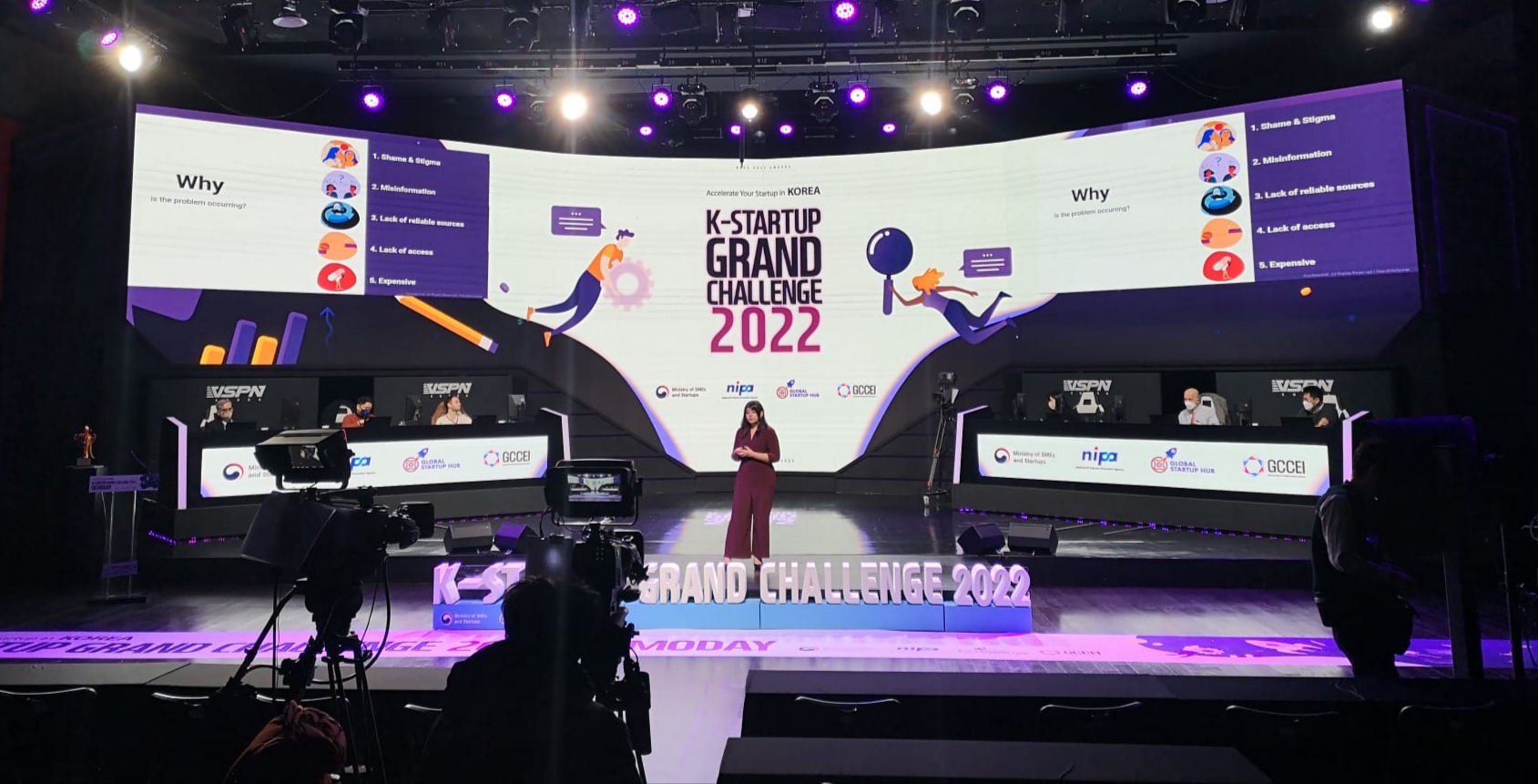
Priyal Agrawal’s leadership reflects the spirit of GFiC: courage as truth-telling, innovation in the face of stigma, and a belief that informed young people can reshape their communities. From India to the global stage, she is proving that when we dismantle silence, we build safety, agency, and dignity for generations to come.