45
Days
12
Hours
44
Mins
29
Secs
left to apply


When Shomy Hasan Chowdhury talks about water, she is talking about dignity. She is talking about justice. She is talking about the right to live a life where preventable loss is not inevitable.
Her commitment began with a personal tragedy. After her mother passed away from a waterborne illness that should never have been fatal, Shomy made a choice that would shape the rest of her life. Only four days after her mother’s passing, she stood before an audience and gave her first talk on safe water and sanitation. It was a decision that carried grief, courage, and purpose all at once.
Today, through Awareness 360, the youth-led global nonprofit she co-founded, Shomy helps young people across more than 70 countries design and lead community projects that have already reached over 3 million people. She has built a movement grounded not in charity, but in agency — equipping young leaders to transform the challenges in their communities with solutions they create themselves.
As a 2025 Global Fellow in Courage, Shomy is strengthening her leadership through reflection, peer learning, and the support of a community that understands what it means to challenge inequity. She is honing not just answers, but better questions. And she is grounding her work in the belief that lasting change requires both courage and relentless commitment.
Her courage is quiet and forceful at once. It shows up when she speaks truth in rooms where she may be the only woman, the only young person, or the only representative from the Global South. It shows up when she challenges harmful power dynamics, including filing a formal complaint after she was bullied for speaking up for Palestine. And it shows up in the vulnerability of acknowledging what she does not yet know, trusting that leadership is as much about learning as it is about leading.
Shomy’s story reminds us that courage is not about fearlessness. It is about choosing to keep showing up — especially when it hurts.
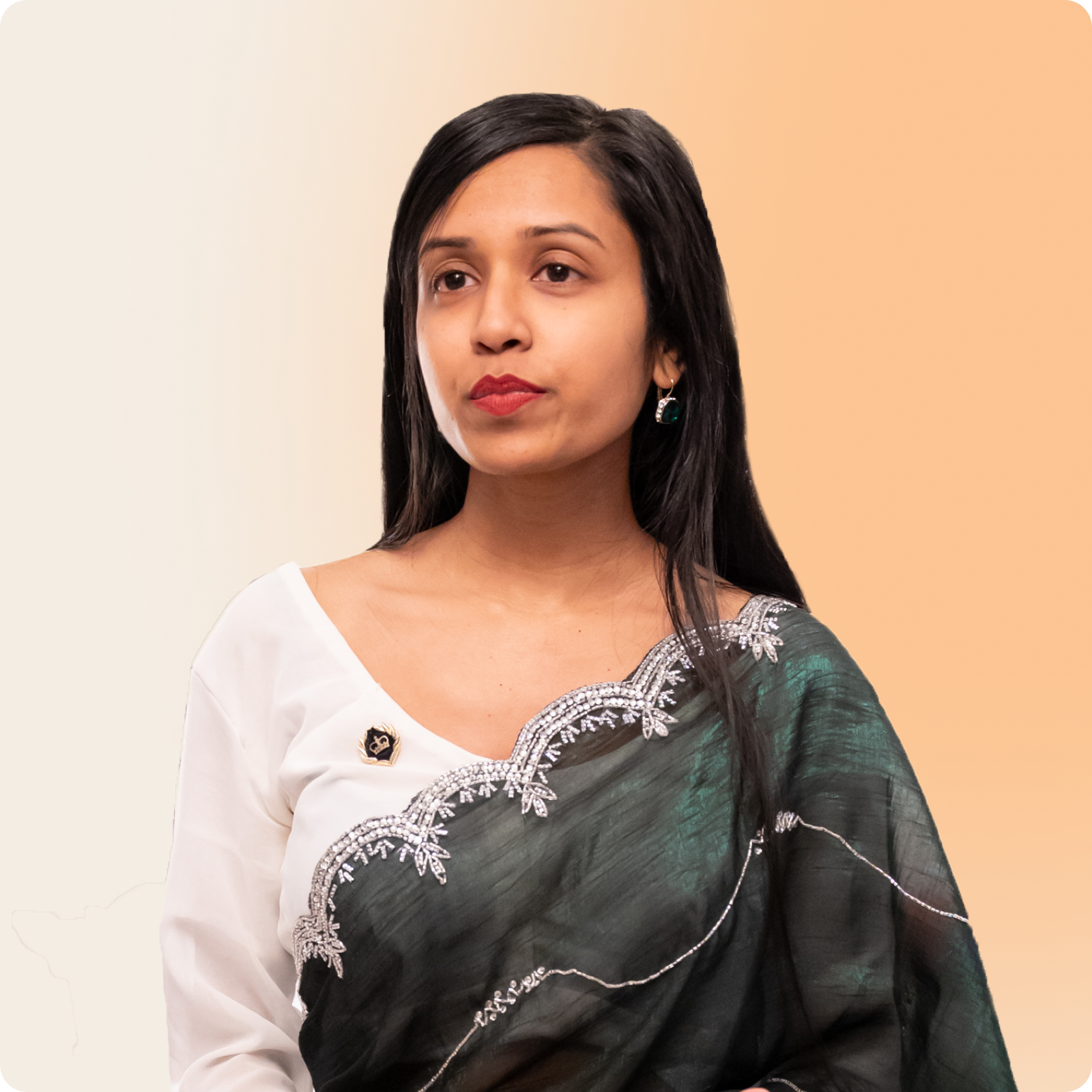
I spend a lot of time in rooms where I am either the youngest, the only woman, or the only person from the Global South. That can feel isolating. Here, I have found peers who know the weight of walking against the current, even if their struggles look different from mine.
The fellowship has given me community and learning in equal measure. I leave every session with new tools, perspectives, and questions that help me refine my work. I have learned just as much from the speakers as from my peers. The honesty with which they share reminds me that I am not alone in this work, even when it feels heavy.
I have become less focused on validation and more focused on impact. The program is stretching me into a stronger version of myself. And with the coaching component ahead, I know I will sharpen not only my leadership but also the questions I ask of myself. Leadership is often less about having the right answers and more about asking better questions.
Courage takes many forms. It can mean taking an unconventional career path when the world expects stability. It can mean being vulnerable in a culture that celebrates the myth of perfect strength. It can mean speaking up for the silenced even when it brings personal consequences.
My own courage grew out of pain. After my mother passed away due to a preventable waterborne illness, I chose to act. That decision changed the course of my life. Years later, when I spoke up for Palestine on a global stage and faced bullying, I refused to stay silent. I filed an official complaint, even against people with influence, because accountability matters.
Courage can also be quiet. It takes courage to admit when I do not know something. It takes courage to enter spaces where my ideas are challenged and to listen deeply. It takes courage to move countries alone and rebuild myself. As a first-generation activist, I have often stepped into uncertainty without a map.
So yes, I do consider myself courageous. Not because I am fearless, but because I move forward despite the fear. I speak even when it is unpopular. I acknowledge my limits. And I allow myself to remain human.
I am working to address the global crisis of unsafe water and inadequate sanitation. Millions in Bangladesh and around the world still lack access to the most basic services that protect health and dignity. This is not only a development challenge. It is a justice issue.
Without safe water and sanitation, health systems falter, children miss school, women lose time and dignity, and poverty deepens. The crisis fuels several others because nothing else can stand without this foundation. I know this not only from data, but from my own life.
The solutions exist, but political will, inclusion, and sustained investment often fall short. Through Awareness 360, we mobilize young people to lead projects rooted in community ownership. These solutions are designed to last, not just address symptoms for the short term.
Families cannot afford to wait, and neither can we.
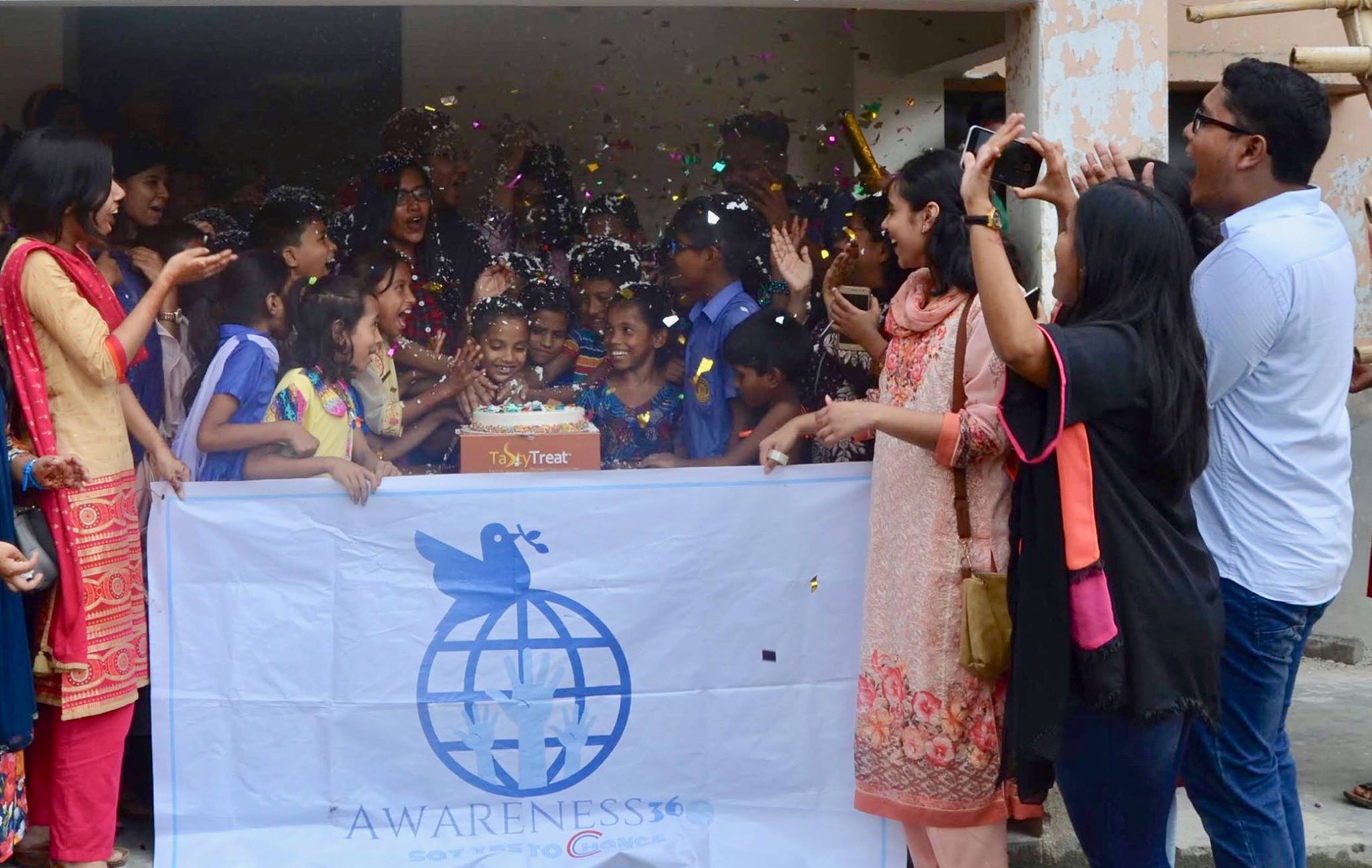
Awareness 360 has supported more than 50,000 young people in over 70 countries to lead community projects that have reached more than 3 million people. But the story that stays with me is about solidarity during the pandemic.
Marginalized sex worker communities in Bangladesh were excluded from mainstream aid. They lost their income overnight. We partnered with local volunteers to provide hygiene supplies, food, and support. What mattered was not only meeting needs but affirming that their lives are worth protecting. For me, real impact is when people who have long been stigmatized assert their dignity and place in the world.
Sustainability is the hardest challenge. Too many development efforts focus on short-term visibility. I have seen wells that stop functioning within a year and community programs that collapse once funding ends.
Breaking this cycle is difficult because donors often want quick results. But lasting change requires ownership, trust, and systems designed to endure. At Awareness 360, we train young people to design and lead projects, and we co-create solutions with communities from the start.
It is slower and harder to fund. But it is the only way change lasts.
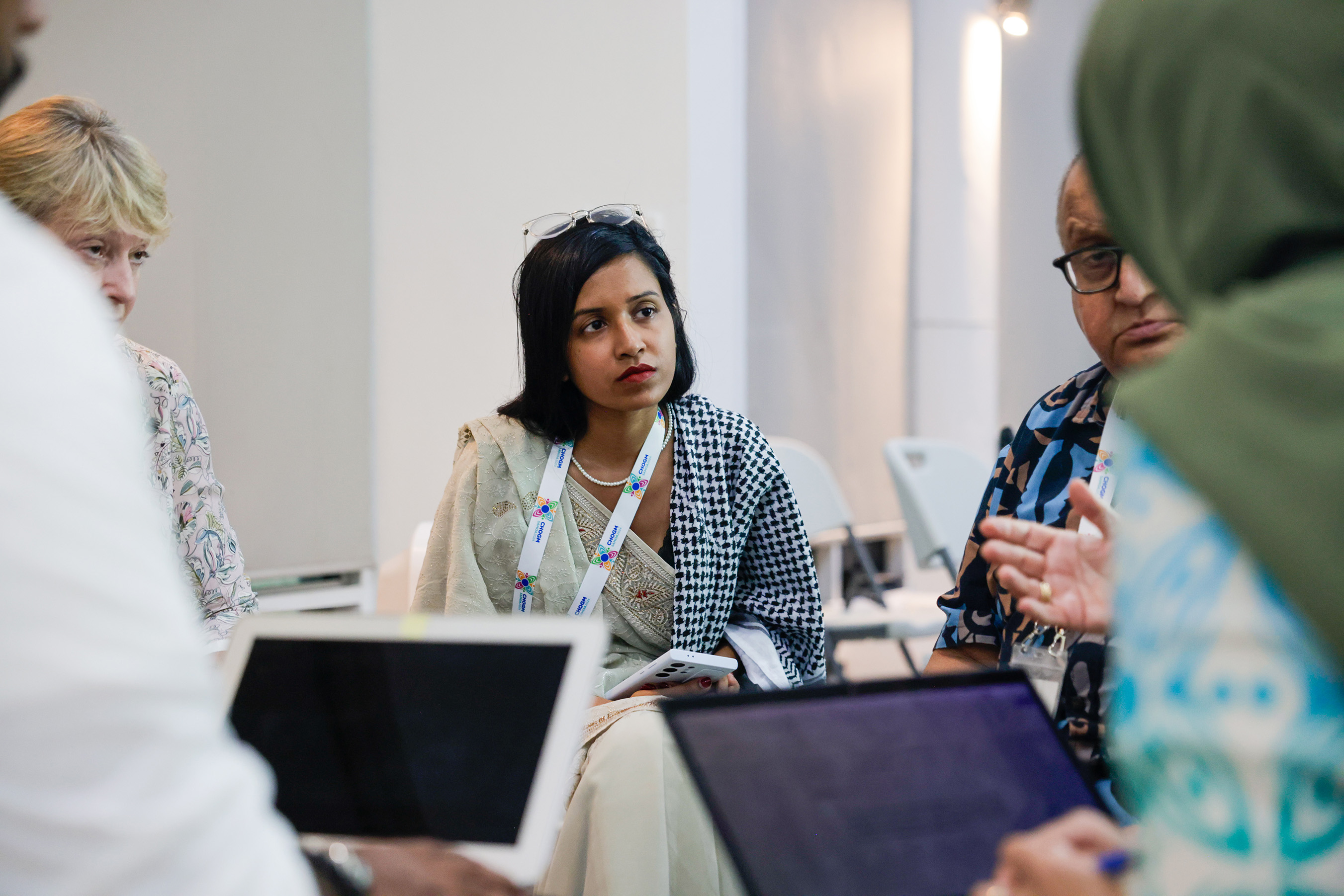
Many people think water and sanitation are simple issues. Install a pump, build a toilet, problem solved. But without community ownership, maintenance, inclusion, and dignity, none of it is sustainable.
There is also a misunderstanding about youth leadership. Young people are often invited for visibility rather than decision-making. Yet we are already shaping policy, leading organizations, and driving impact. Underestimating youth limits solutions and delays progress.
To be honest, I am not always motivated. I often feel heartbroken or overwhelmed by injustice. But I keep going because showing up still matters. Hope is not a fleeting feeling for me. It is a discipline. Even when progress is slow, every step forward is meaningful. I do not need to see the finish line to know it is worth running.
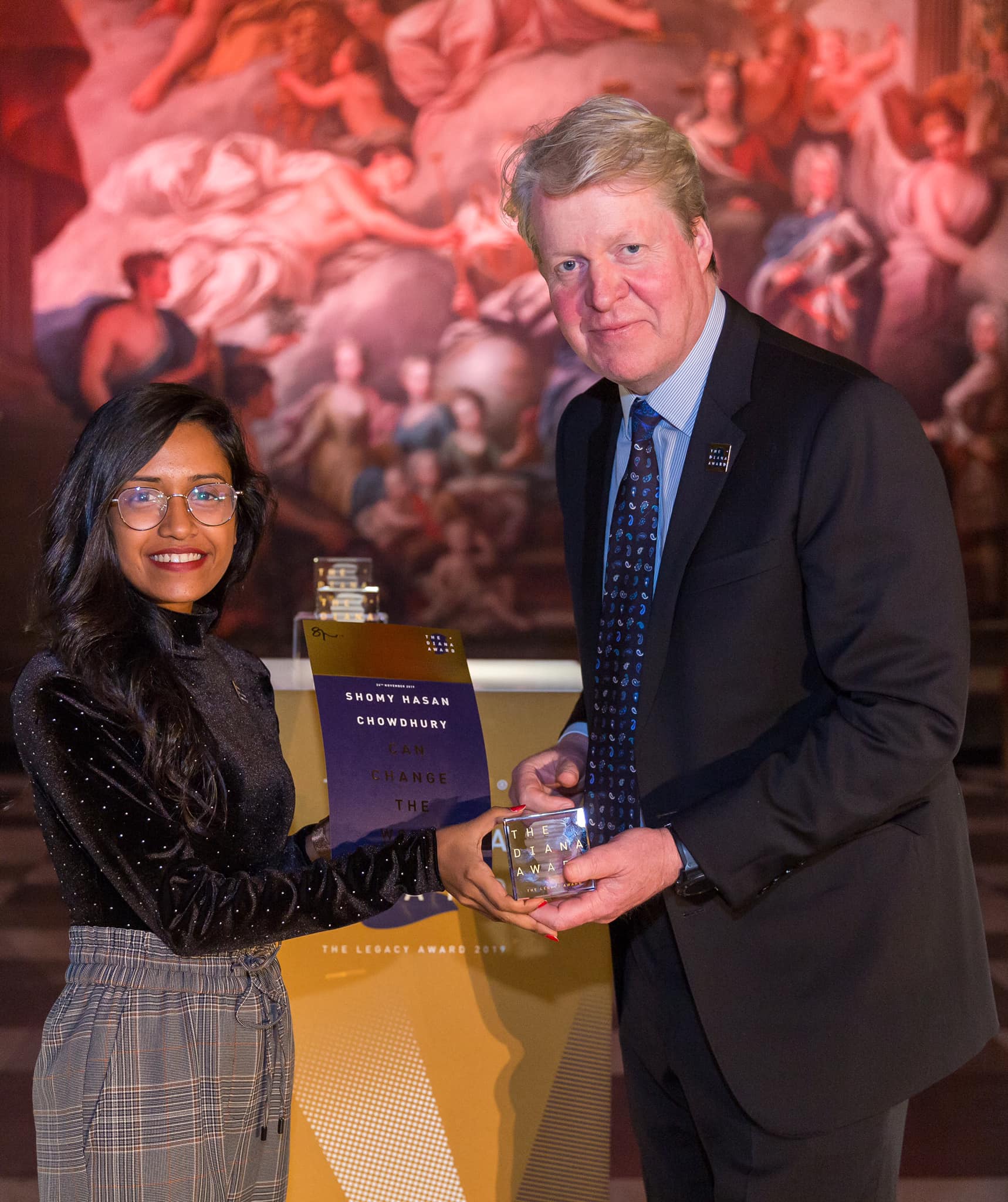
Shomy Hasan Chowdhury’s leadership reflects the heart of GFiC. Her work bridges personal loss, community resilience, and global advocacy, proving that youth-led action can challenge injustice and create lasting systems change. From Bangladesh to global platforms, she is reshaping how the world understands water justice and the power of courage grounded in purpose.