45
Days
12
Hours
44
Mins
29
Secs
left to apply


An initiative of Global Fellowsin Courage (GFiC) — created to invest in the bold andcourageous work of GFiC alumni who are advancinghuman rights, gender equity, access and opportunity intheir countries.
Made possible by the generous support of Michael and Patricia Kidder
proposals
received from GFiC alumni
countries
represented across the applicant pool
finalists
advanced to interviews with the judging panel
winners selected
total awarded
Grand Prize Winner
receiving $10,000
.webp)
The 2025 Global Impact Prize was selected by a panel of leaders chosen for their distinguished experience in social innovation, global health, and mission-driven enterprise.
Managing Partner, Pontefract Global Strategies, LLC (chair)

Chief Growth Officer, Blackstone Consulting
Brown University, Associate Dean for Global Engagement and Professor, Brown University School of Public Health

Mohammad Taqi Yasir
About
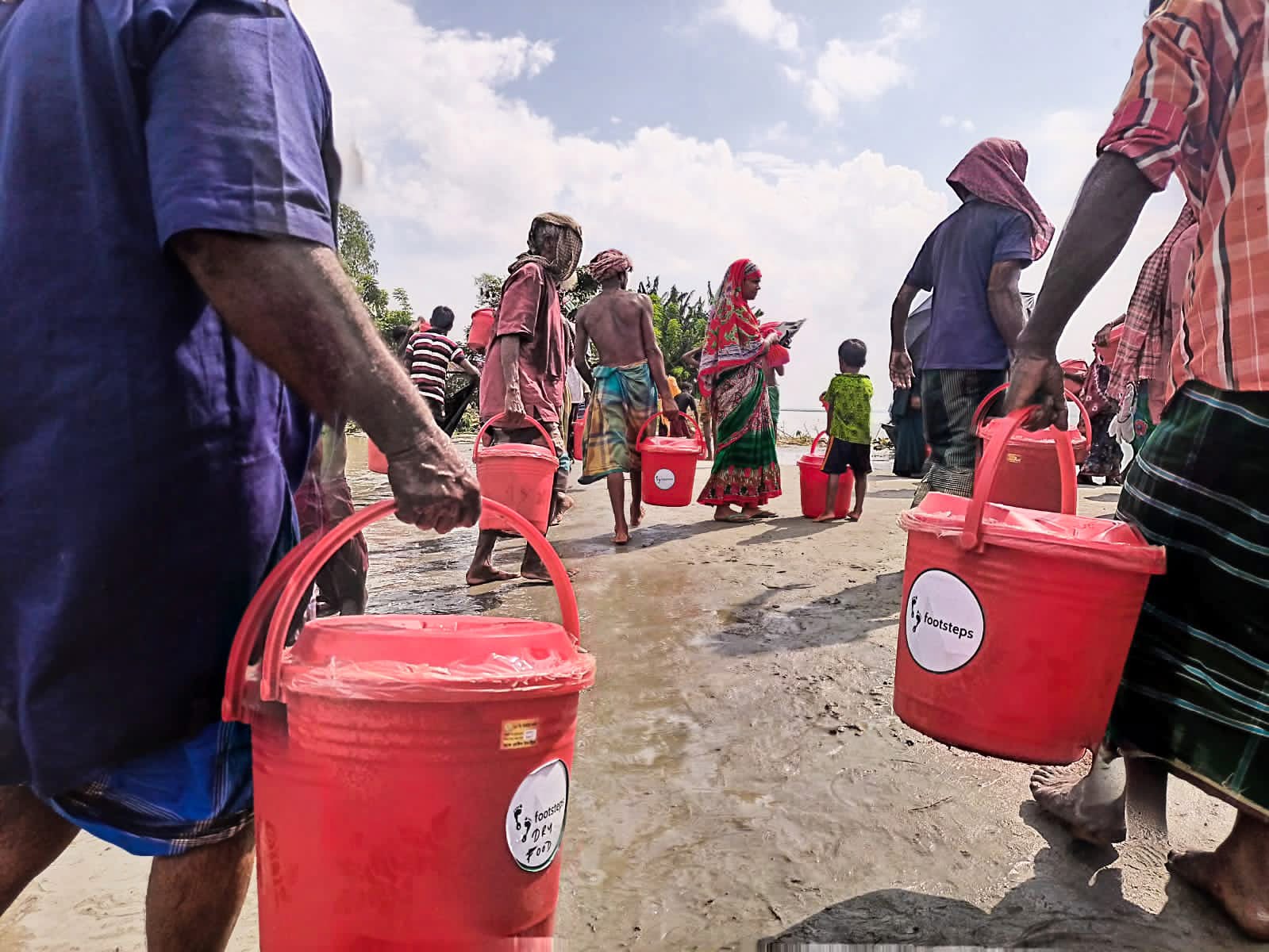
In coastal Barguna District — one of the most climate-vulnerable agricultural regions on earth — smallholder farmers are losing harvests to salinity intrusion, tidal flooding, and erratic rainfall.
Mohammad's project makes a substantial impact on food security. It establishes a Community Farmers' Learning Platform that delivers 18 hands-on training sessions on saline soil management, climate-resilient seed varieties, seed preservation, and adaptive cropping calendars, anchored by 1–2 live demonstration plots.
Developed in partnership with Patuakhali Science and Technology University and local government extension units, the model is designed to spread farmer-to-farmer beyond throughout the region.
Projected impact:
500 smallholder farmers trained (at least 200 women), approximately 1,000 community members reached through demonstrations and peer diffusion, 70% of trained farmers (350) adopting at least one climate-adaptive practice, and 12–18 local adaptation champions emerging as long-term community resources — addressing a sector that contributes 12% of national GDP and employs 40–45% of Bangladesh's workforce in a country that has experienced more than 230 extreme climate events between 2010 and 2025.

Augustus Nicko Bas
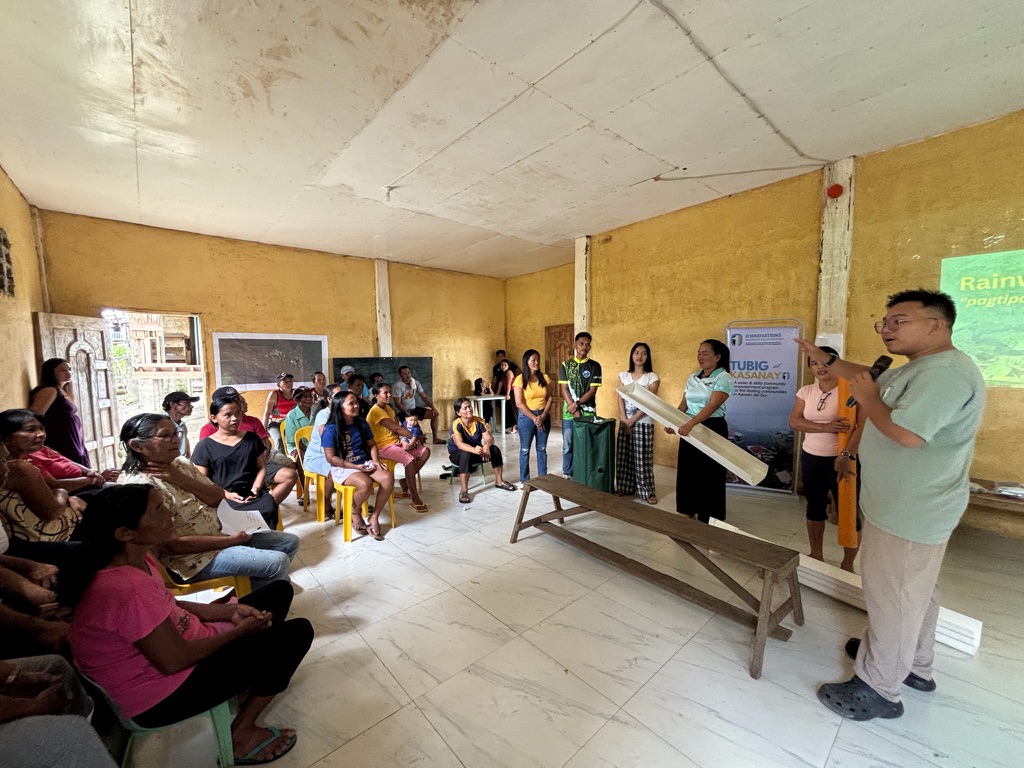
Augustus is transforming a youth-led social enterprise into a self-sustaining engine for safe water access in off-grid and floating communities of Agusan del Sur, where households today pay up to PHP 75 for 20 liters of water and schoolchildren are required to carry up to five liters of water daily just so classrooms can be cleaned.
Project Animo activates a revenue-sharing model in which rainwater harvesting systems are sold to schools and institutions, with a defined share of profits flowing into an Impact Fund that subsidizes installations for floating communities with no water infrastructure.
Projected impact:
Bulk procurement expected to cut unit costs and increase margins up to fourfold; 25 community members trained and TESDA-certified in carpentry and plumbing in partnership with the Philippine Technical Education and Skills Development Authority; rainwater systems installed in public schools and LGU-supported communities; and a self-recycling Impact Fund seeded for ongoing free installations in floating villages.
.jpg)

Priyal Agrawal
A play-based early-childhood intervention that equips children aged 2–10 with foundational skills around body autonomy, consent, emotional literacy, safe and unsafe touch, and identifying trusted adults — before harm occurs.
Founded by a survivor of child sexual abuse, StandWeSpeak responds to the reality that 1 in 5 children globally — and 1 in 2 in India — experience sexual abuse, while prevention efforts almost always begin only after harm has already occurred.
The toolkit — a story-driven board game, visual cards, and trauma-informed facilitator guides — is built to scale across languages and cultural contexts.
Projected impact:
Pilot rollout through early-childhood centers, anganwadi workers, and parent networks, with ≥70% of participating children expected to identify and name basic emotions, 60–70% to correctly distinguish safe vs. unsafe touch and respond assertively, and 75% of caregivers and educators reporting increased comfort initiating safety conversations. The initiative builds on StandWeSpeak's existing AI-powered platform Mae, which has reached 1.8 million+ users across 6+ countries, with a path to scale through institutional adoption and digital hybrid formats.
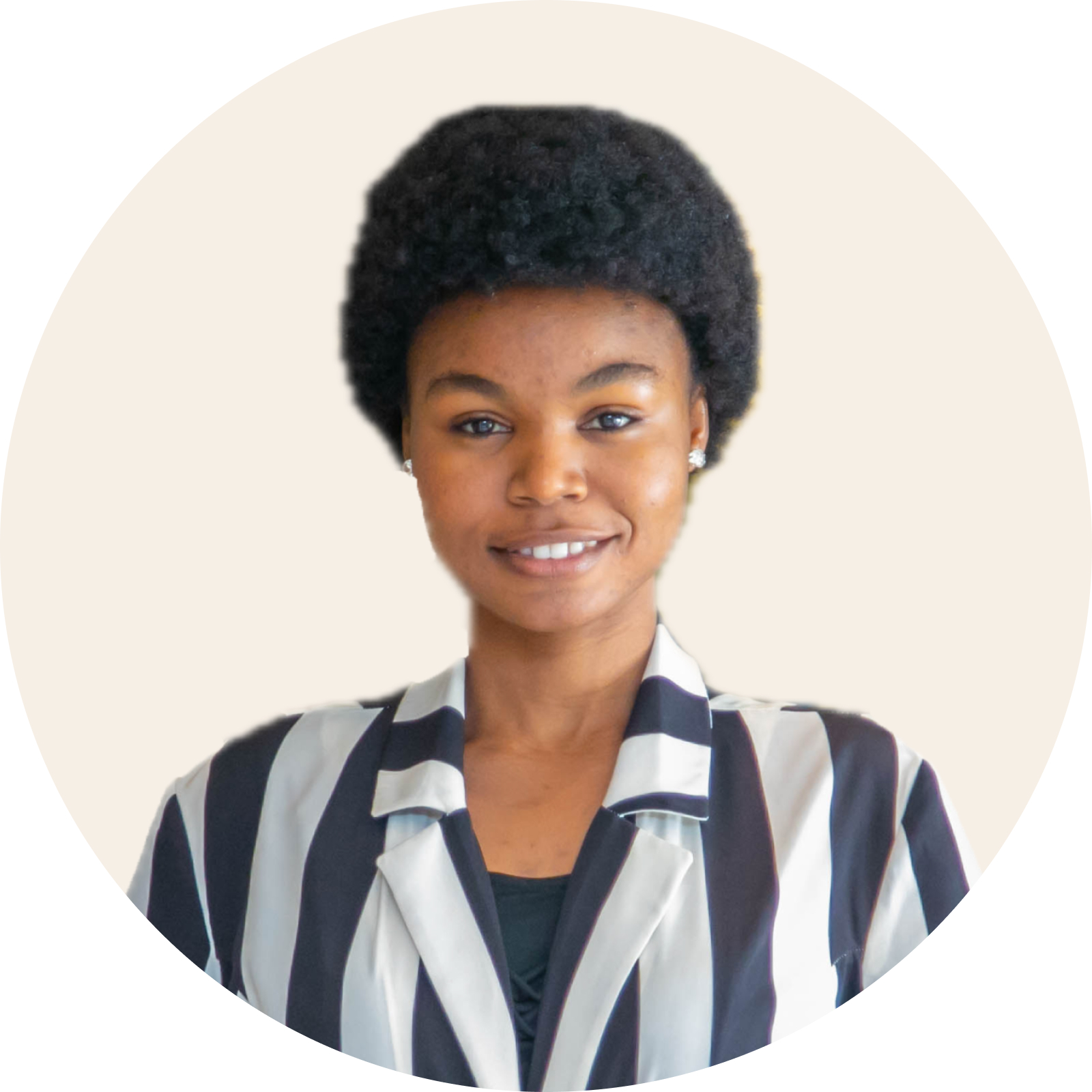
Christiana Okere
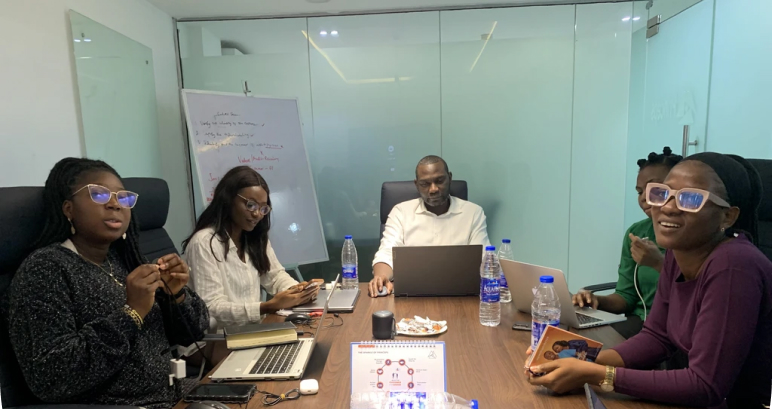
A six-month pilot that converts disciplined saving behavior — long ignored by traditional credit systems — into a recognized pathway to economic independence and business growth for women in Nigeria's informal economy. Thirty women entrepreneurs (traders, food vendors, service providers, small business owners) selected on the basis of consistent multi-year saving on the myStash platform receive structured business and financial training, peer mentorship, and small loans at 6% total interest over six months — a deliberate counter to the predatory lending women in the informal sector typically face.
Projected impact:
30 women complete financial and business training, 100% access ethical micro-funding, and a target 90% loan repayment rate within six months. The project's signature innovation is its revolving-fund model: every repayment, including interest, is recycled to capitalize a second cohort, mentored by the first — turning recipients of capital into stewards of it and creating self-replicating impact far into the future.
.jpg)

Jessica Ilunga
In the DRC, where over 70% of the population lives in extreme poverty, access to justice is often out of reach for low-income and marginalized communities, and women face heightened exposure to violence and abuse of power with little means to seek redress.
Jessica's project brings legal help directly to the places where women already study and work. Mobile legal hubs staffed by a network of pro bono lawyers deliver free, confidential consultations on campus at the University of Kinshasa and in four local markets (Matete, Mbanza-Lemba, UPN, and Liberté). These hubs serve two groups facing daily abuses by men in positions of power: female students confronting sexual harassment from professors, and women market traders exposed to extortion and arbitrary confiscation of their goods by public agents.
Projected impact:
Six days of free legal consultations per month across five locations, secure anonymous reporting tools developed for each target group, all cases documented through a digital case management system, and a structured evidence base built to inform a forthcoming AI-powered virtual legal assistant accessible via WhatsApp.
The pilot lays the foundation for a USD 3/month subscription legal service designed to scale to the DRC's estimated 30 million informal-sector workers.