45
Days
12
Hours
44
Mins
29
Secs
left to apply


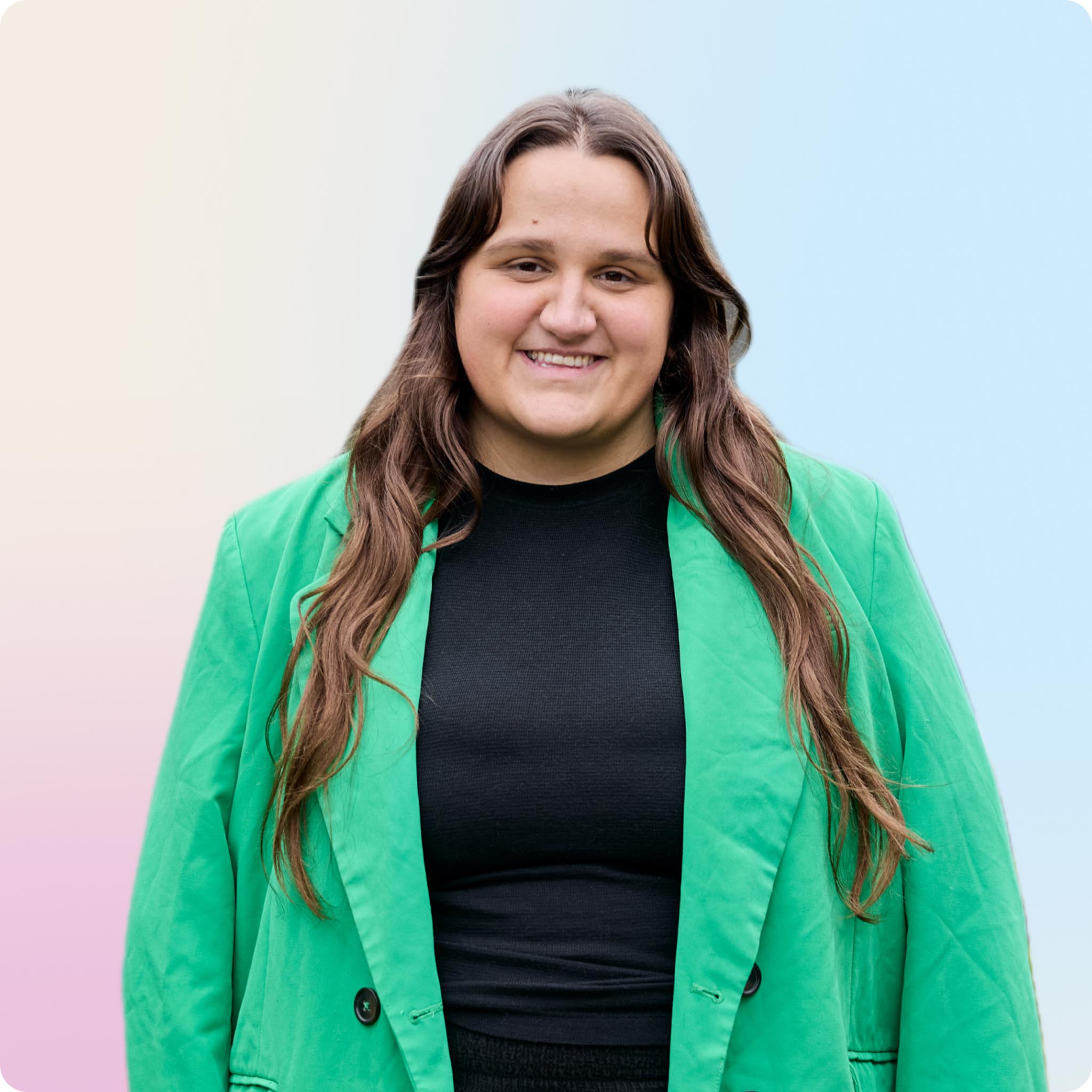
"What were you wearing?" is a question victim-survivors of sexual violence still hear far too often. Sarah Williams chose it as the name of an organization that answers that question differently: with support, healing and pressure for systemic change.
Today, What Were You Wearing Australia runs free national healing groups across the country. Its advocacy reaches from training for bar staff in New South Wales to the largest gender-based violence rallies in Australia's history. Sarah joined Global Fellows in Courage in 2026.
Being part of Global Fellows in Courage has connected me with founders and changemakers from all over the world who are doing work as difficult and necessary as mine. There's something profoundly rewarding about realizing I'm not alone in this advocacy and that other people in other countries are fighting the same uphill battles, navigating the same burnout, and choosing to keep going anyway. It has also shown me that people of color can lead this kind of change and be genuinely supported in doing so, not sidelined or tokenized.
That sense of solidarity has reminded me that the work I do at What Were You Wearing Australia is part of something much bigger than any one country or campaign.
To me, courage means taking something horrific that happened to you and choosing to use it to help others instead of letting it define you in silence. It's not about the absence of fear or pain, it's about what you do with it afterward.
I don't think courage belongs only to the people leading rallies or speaking publicly. I believe every victim-survivor who continues to live, to get up each day, and to exist fully in the world after what they've been through is courageous, whether or not anyone ever sees it.
If I consider myself courageous, it's because I've taken my own experience and turned it into a purpose and built an organization that gives other survivors the support I once needed myself. But I hold that courage alongside every survivor who is simply surviving, because that, to me, is the bravest thing of all.
I'm working to end sexual violence in Australia, a problem that is both widespread and deeply under-addressed. It's estimated that more than 1 in 5 women in Australia have experienced sexual violence since the age of 15, and reports of sexual assault to police have risen for 12 consecutive years, despite the fact that fewer than one in 10 women who experience sexual violence ever report it to police. Behind every one of those numbers is a person navigating trauma, largely without the support they need.
This is why What Were You Wearing Australia exists. We provide free national healing groups, community education, and advocacy that pushes for systemic change, from mandating training for bar staff to organizing the country's largest gender-based violence rallies.
One of the achievements I'm proudest of is the advocacy work that led to mandated training about drink spiking, sexual assault, and harassment for bar staff in New South Wales in 2023. We turned something that had long been treated as an individual safety issue into an industry-wide responsibility, embedded in policy rather than left to chance.
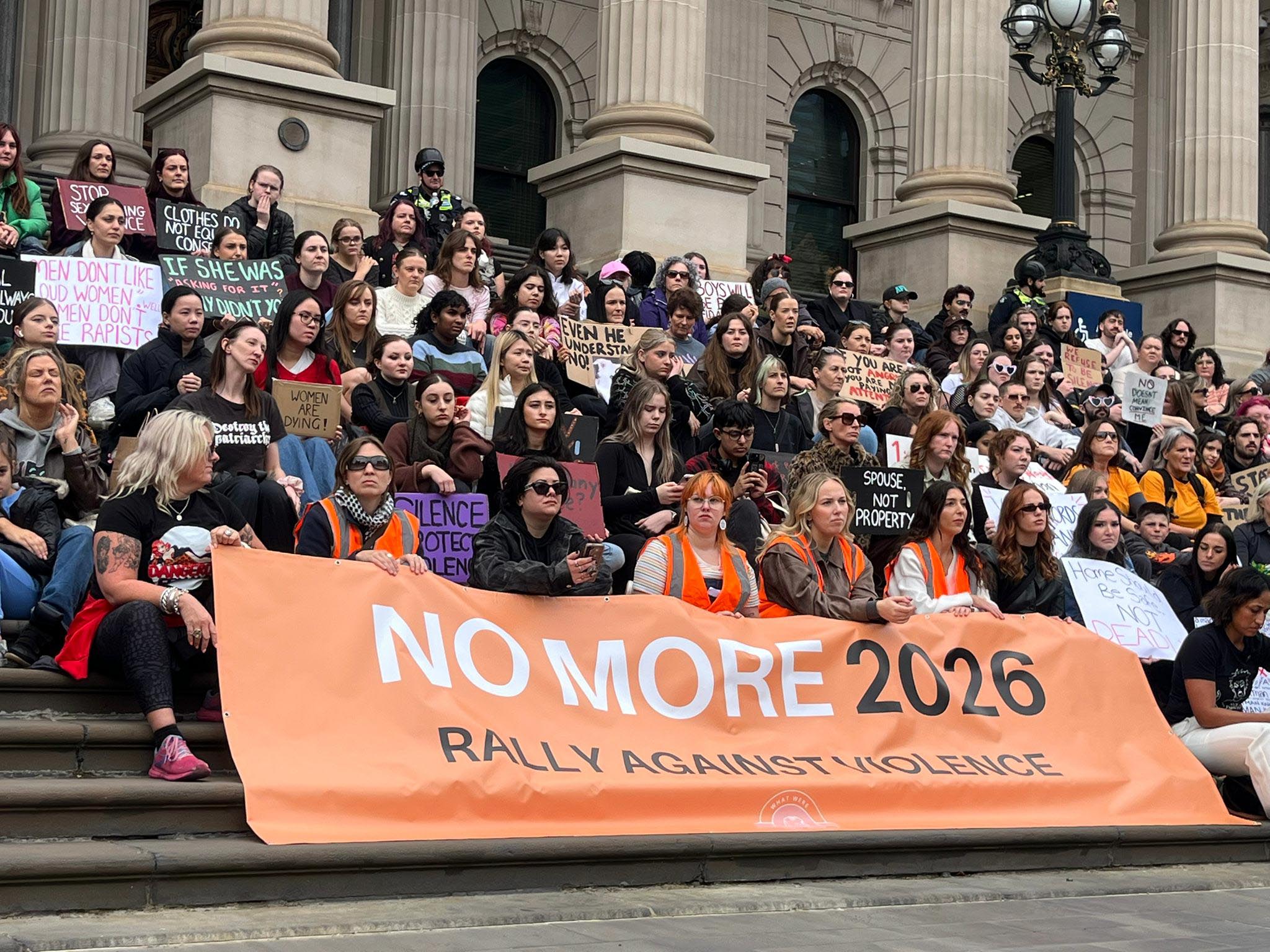
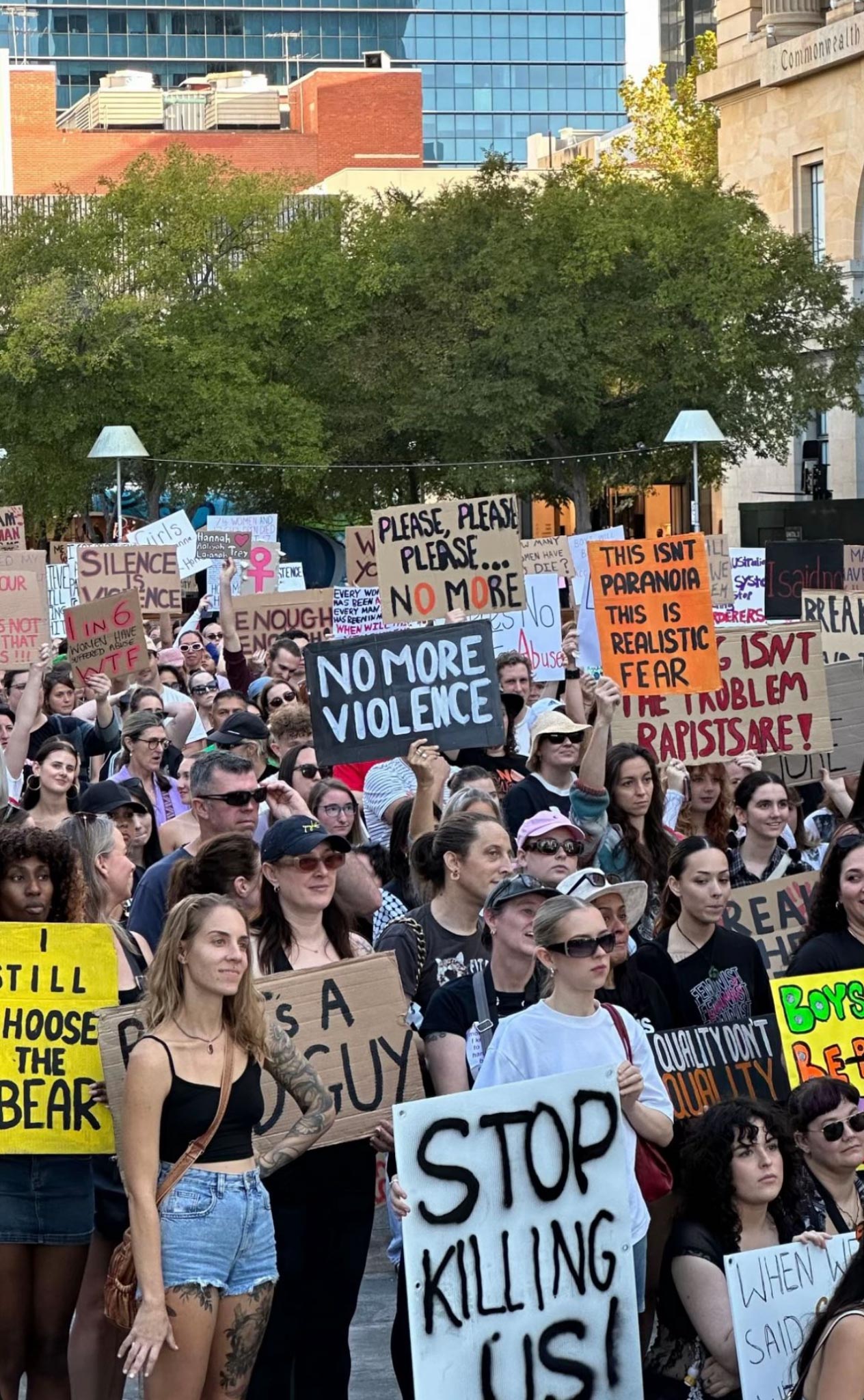
Another moment that still moves me was our 2024 No More Rallies where we organized Australia's largest gender-based violence rallies, bringing together over 100,000 people across the country demanding action. That advocacy led directly to our Prime Minister, Anthony Albanese, declaring gender-based violence a national emergency.
We work most closely with the communities who are disproportionately impacted by sexual violence yet historically underserved by mainstream support systems. This includes: Aboriginal and Torres Strait Islander people, LGBTQIA+ people, and people living with disabilities.
For far too long, I witnessed the people most affected by an issue too often being the last to be consulted about the solutions meant for them and too often spoken about rather than spoken with. Due to this at WWYW we set out to change this. We actively put the people most affected at the forefront of our work, not as an afterthought, but as the ones leading it.
What keeps me motivated is watching victim-survivors heal in real time. Our healing groups are where I see this most clearly because someone will walk in shy, nervous, barely able to speak about what happened to them, and over weeks and months, you can see them become outspoken, confident, willing to take up space again.
That transformation is what makes the heaviness of this work bearable. When the systemic challenges feel overwhelming, it's that individual, human proof that healing is possible that reminds me why we keep going.
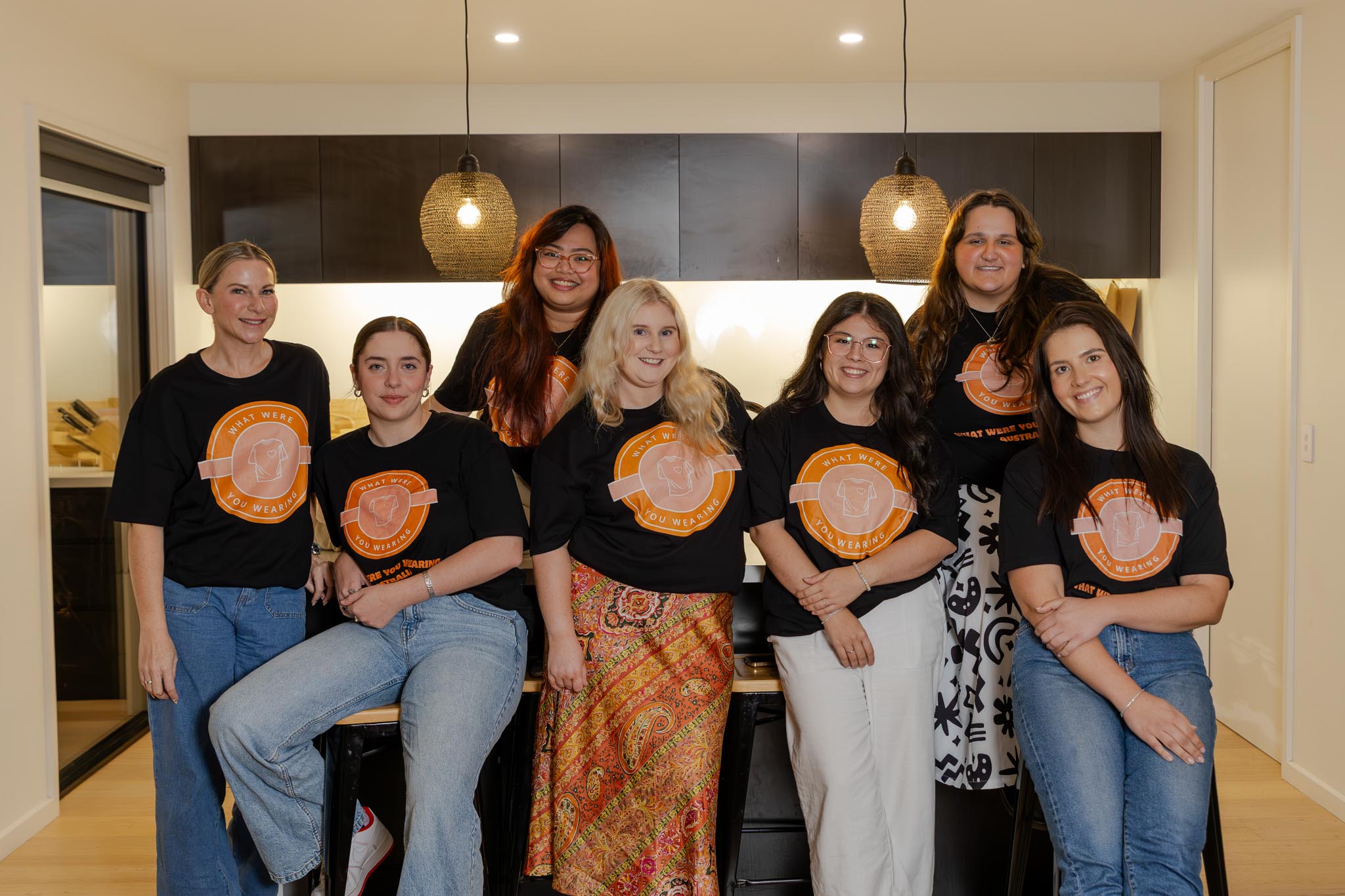
Sarah's work shows how one person's experience can grow into support for thousands of others and into change that reaches policy. We are proud to have her in the 2026 Cohort.