45
Days
12
Hours
44
Mins
29
Secs
left to apply


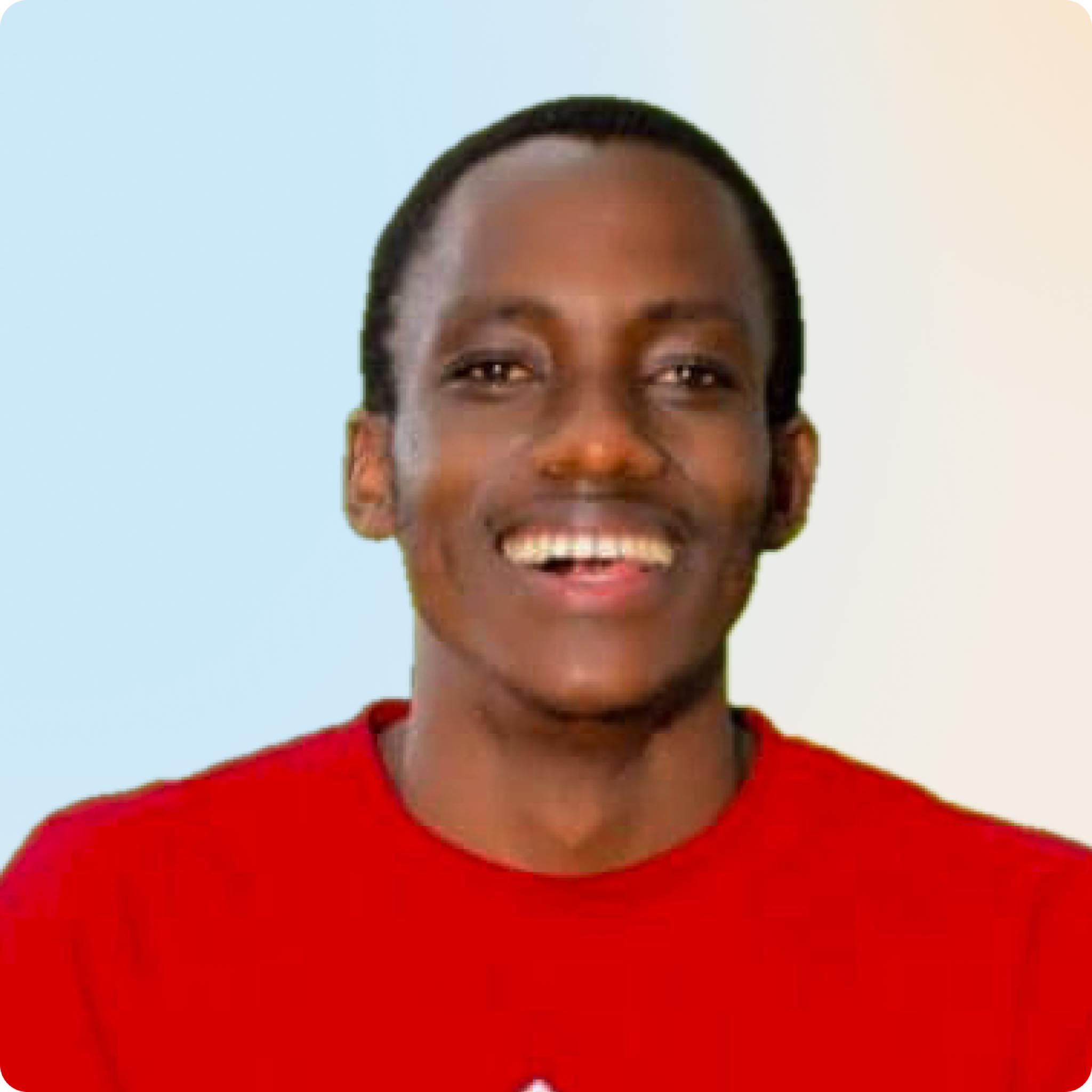
In Zimbabwe, a solar power system can work perfectly in testing and still fail once a clinic, a school, or a small business starts relying on it every day. When that happens, people turn back to diesel generators and firewood. Tafadzwa Wachenuka founded Grumium Engineering to close that gap and make solar power something people can truly depend on.
As a 2026 Global Fellow in Courage, Tafadzwa is taking that work to the next level. For Tafadzwa, as explained below, courage rarely looks dramatic. It looks like owning a mistake in front of the people who depend on your work.
Being part of Global Fellows in Courage has been genuinely instrumental for me. Through the Fellowship I have met new people I would not otherwise have crossed paths with, including a connection here in Zimbabwe with far more influence and reach than I had access to on my own. We are still learning a lot together, and what we have gained so far has already fed directly back into my business. I am looking forward to continuing to learn from this community.
To me, courage has rarely looked dramatic. It has looked like admitting a mistake to the people depending on me. Six months into building our first system, one of our battery units kept failing out in the field because I had chosen cheaper parts to stretch a tight budget. It failed twice before I called a full team meeting to admit the call was wrong. Then I called our funders to ask for a timeline extension I had been avoiding for weeks. Making that phone call was harder than any technical problem I have solved.
I do consider myself courageous, not because I seek risk, but because building hardware for communities with no backup plan means my mistakes have real consequences and hiding them would be easier than owning them. Courage, for me, is choosing to be accountable to the people relying on the system working, even when it would be more comfortable to quietly patch the failure and move on.
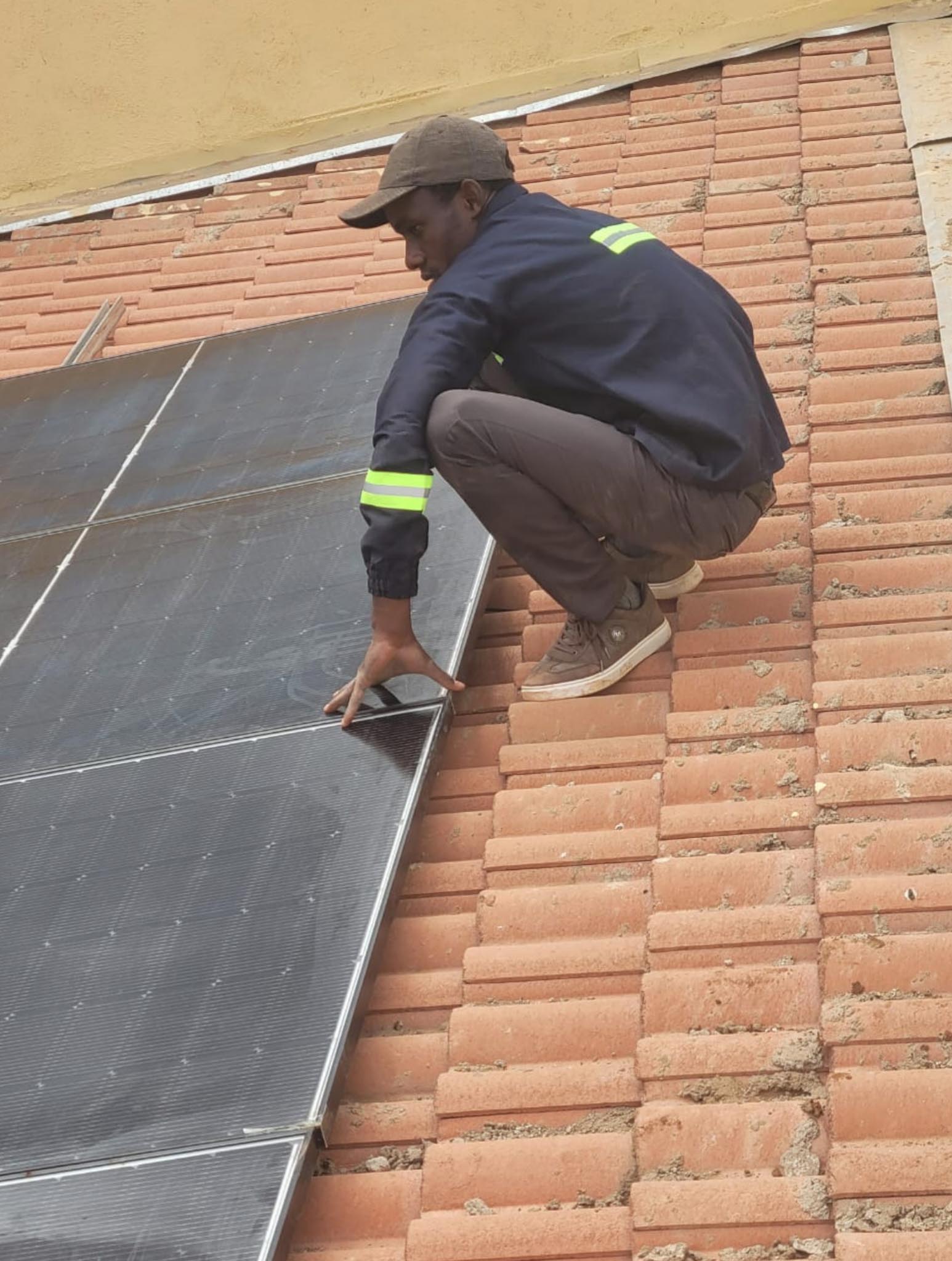
At Grumium, we are working to bring more renewable energy into Zimbabwe by making sure solar power can be properly connected to the grid so that ordinary people, clinics, schools, and small businesses can actually get reliable electricity from it. Right now, there is a gap between a solar power system that works perfectly in testing and one that a rural clinic, school, or small business can depend on every single day without me there to fix it.
This is urgent in Zimbabwe because unreliable power pushes people toward diesel generators, which drives up carbon emissions, and toward firewood, which drives deforestation. Both compound the energy problem instead of solving it. I grew up doing schoolwork through Zimbabwe's power cuts, so this is not an abstract marketing opportunity to me. It is the same problem I was living with before I had the tools to do anything about it.
Three companies are actively using Grumium's system today, and we have moved from giving the technology away to actually generating revenue from it. What makes me proudest is not a single number though. It is that the work has now been vetted by people outside my own team.
We have secured grant funding from UNESCO, the European Union, and the Mastercard Foundation. We have been selected to represent Zimbabwe at the Africa Tech Festival in South Africa, and I was selected as a UNESCO Delegate in Paris representing Zimbabwe and Southern Africa. Each of those meant engineers and reviewers who owed me nothing looked at the work and judged it credible on its own merits, not because I pitched it well.
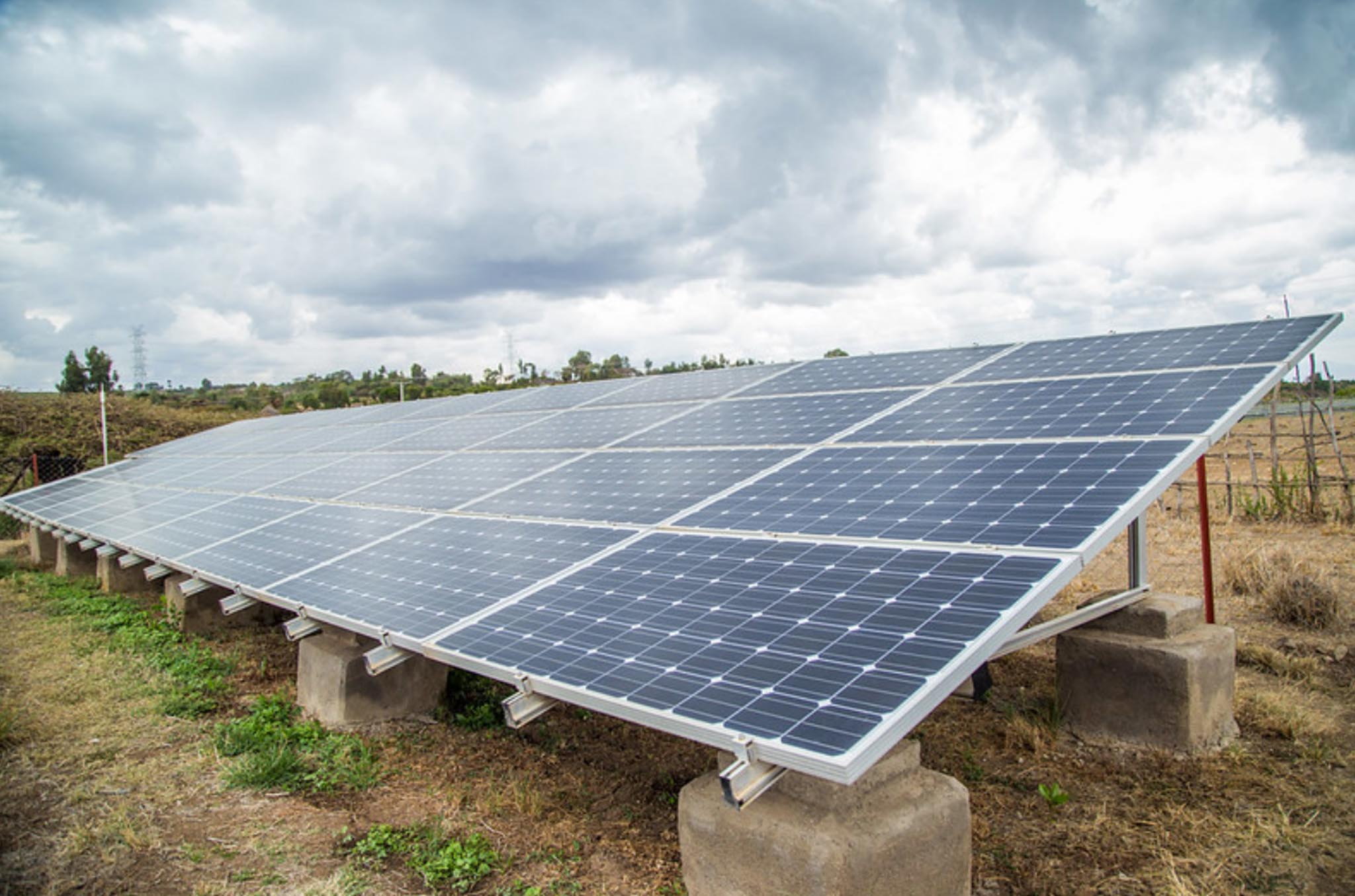
The companies already running on our systems. It’s easy to lose momentum chasing a technical problem in the abstract, but every time I visit a site and see the hardware holding up under real, unglamorous, everyday conditions, the abstract problem becomes a person's actual electricity again.
I also still solder and assemble every new prototype myself. I do not fully trust a design until I have built it with my own hands, and that habit keeps the work grounded even when the funding or technical side gets heavy.
Tafadzwa's work is a reminder that clean energy matters only when people can count on it. With Grumium, Tafadzwa is turning solar power into everyday infrastructure for homes, clinics, schools, and small businesses in Zimbabwe. We are proud to have Tafadzwa in the 2026 Cohort.