45
Days
12
Hours
44
Mins
29
Secs
left to apply


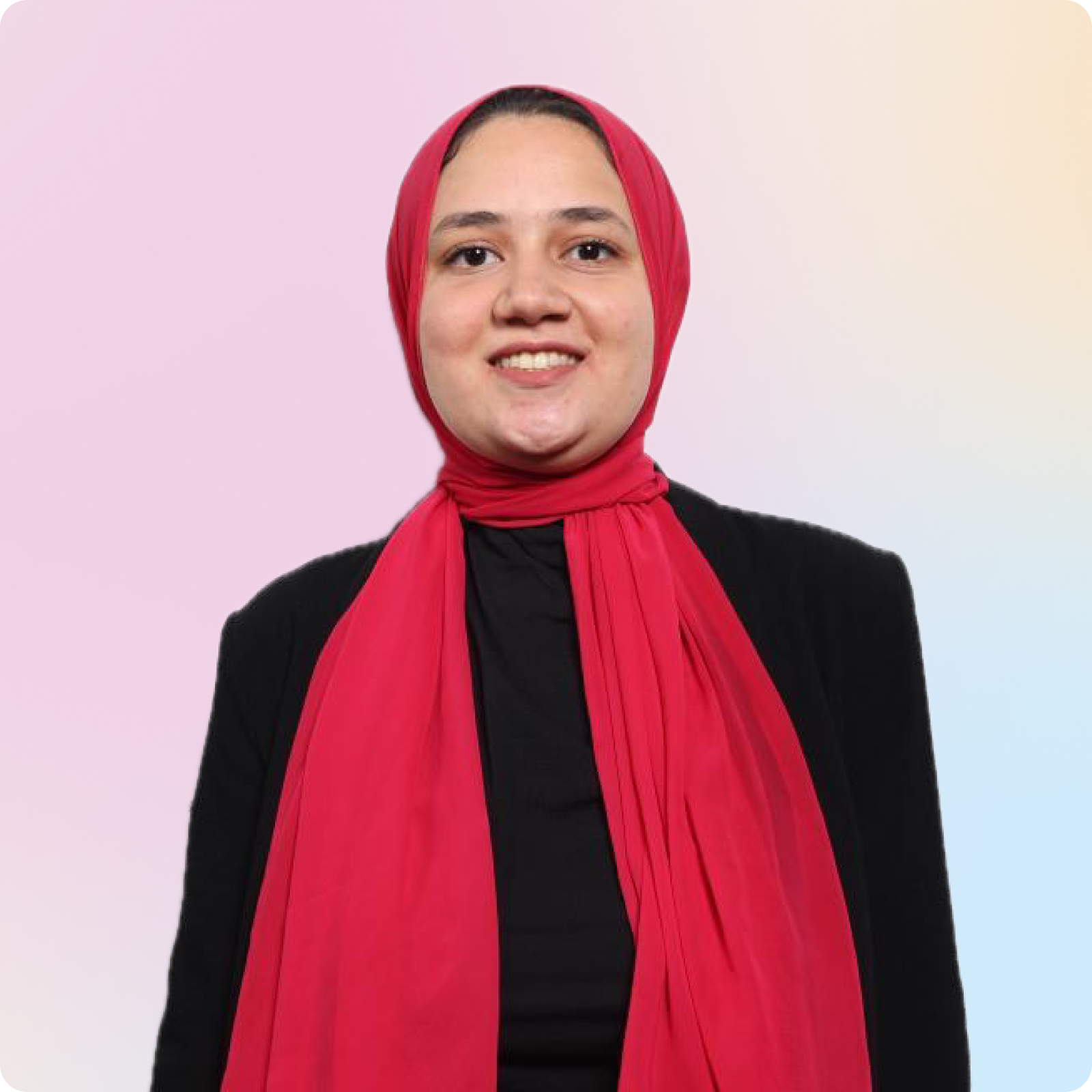
In Nuevo León, the state in northern Mexico where Doctor Abigail Canales Ibarra lives, one out of every two women has experienced sexual violence (ENDIREH 2021, INEGI). Across the country, more than 99% of cases are never reported. Yet when, as Abigail explains below, a survivor is brave enough to walk into a hospital, she has broken that silence. What she meets there in the first hour can help her begin to heal – or can hurt her all over again.
Abigail created Protocolo Dalia so that this first hour goes right. Her creation is a humanized, trauma-informed care protocol for survivors of sexual violence, built around two principles: dignity and autonomy. It covers every stage of care, from the first contact with a survivor to the self-care of the staff who attend to her.
As a 2026 Global Fellow in Courage, Abigail is preparing for the most decisive stage of her work yet, with the support of her cohort and her coach. For her, courage is the ability to stay tender while fighting to build a world where the next generation of women will not need to be brave just to be safe.
Working on sexual violence is emotionally exhausting, especially if you are an empath. You do not just hear the stories, you carry them. This year, thanks to Global Fellows in Courage, I stopped carrying them alone. The fellowship has been one of the gifts of my year: a cohort of people who, despite everything they face in their own territories, get up every single morning and work for what their heart calls them to do. When we come together, I am reminded that my fight in Mexico is one thread of something much larger.

Courage is turning what happens to you into resilience without losing your tenderness along the way. Anyone can harden. Staying soft while you fight, that is the brave part.
And yes, I consider myself a courageous person. I am courageous every time I raise my voice for the rights and the justice that belong to us. Every time I sit with a survivor in her hardest hour and stay. Every time I keep building Protocolo Dalia inside a system that would often prefer not to look.
Count the women you love. In Nuevo León, the state in Mexico where I live, one out of every two women has experienced sexual violence in her lifetime, most of them more than once. Nationally, more than 99% of cases are never reported. At that scale, this is not an error or an accident. It is a system, and we are refusing to look at it.
When a survivor walks through a hospital door, she has already defied the silence. What happens in the next hour can decide whether she begins to heal or is wounded again: one careless question, one gesture, and the trauma reopens. Mexico has official norms for this care. What it did not have was a protocol that puts the person first, recognizing her dignity and her autonomy.
Knowing what to do after sexual violence should never be a privilege of knowledge. Being received with sensitivity, without revictimization and without blame should be part of the basic system of health care. That is what I am building.

Some callings arrive quietly and then refuse to leave. When a woman survives sexual violence, she is in the most vulnerable moment of her life. Fear, frustration, anger, sadness, guilt, even repulsion toward herself can appear all at once. Once you truly understand what this woman carries, you cannot unknow it. The day I understood that knowing what to do should never be a privilege, I knew what my life's work was.
The name holds the other half of the story. Dalia is my mother's middle name. She has always been there for me, even in the most difficult moments. Every time someone says the Protocol's name, they are naming her – her protection and her care extended toward more women.
Protocolo Dalia exists, and it is moving. This fall it begins its first institutional implementation with a leading academic health system in Monterrey. There are hospitals with real ethics and real concern for their patients that want to receive and treat survivors better. They are still too few, and that has to change. But every “yes” proves this transformation is possible.
Because no survivor should have to wait for every hospital to change, Dalia is growing a second arm: Dalia Acompaña, a digital platform designed to accompany a survivor safely, step by step, wherever she is. They are two different doors into the same promise.

I will tell you the truth: it is not motivation. It is rest. On the heavy days, what keeps me going is having learned to stop. Inactive days are valid too. This work cannot be sustained through overproduction.
Hope returns in small, stubborn ways: a hospital that says yes, a colleague who changes the way she asks one question, a Fellow on the other side of the world who keeps going. Courage is contagious. I have caught it many times.
If this turns out the way I dream it, in 10 years, a survivor in Mexico and far beyond Mexico will know exactly what to do to safeguard her life, and every door she knocks on will know exactly how to receive her. What today is the exception should become the ordinary way we care for each other. And on that day, at last, none of us will have to be brave just to be safe.

Abigail's work is a reminder that care is also a matter of rights. Through Protocolo Dalia and Dalia Acompaña, she is making sure that dignity and autonomy are part of what every survivor receives, from the first hour onward. We are proud to have her in the 2026 Cohort.