45
Days
12
Hours
44
Mins
29
Secs
left to apply


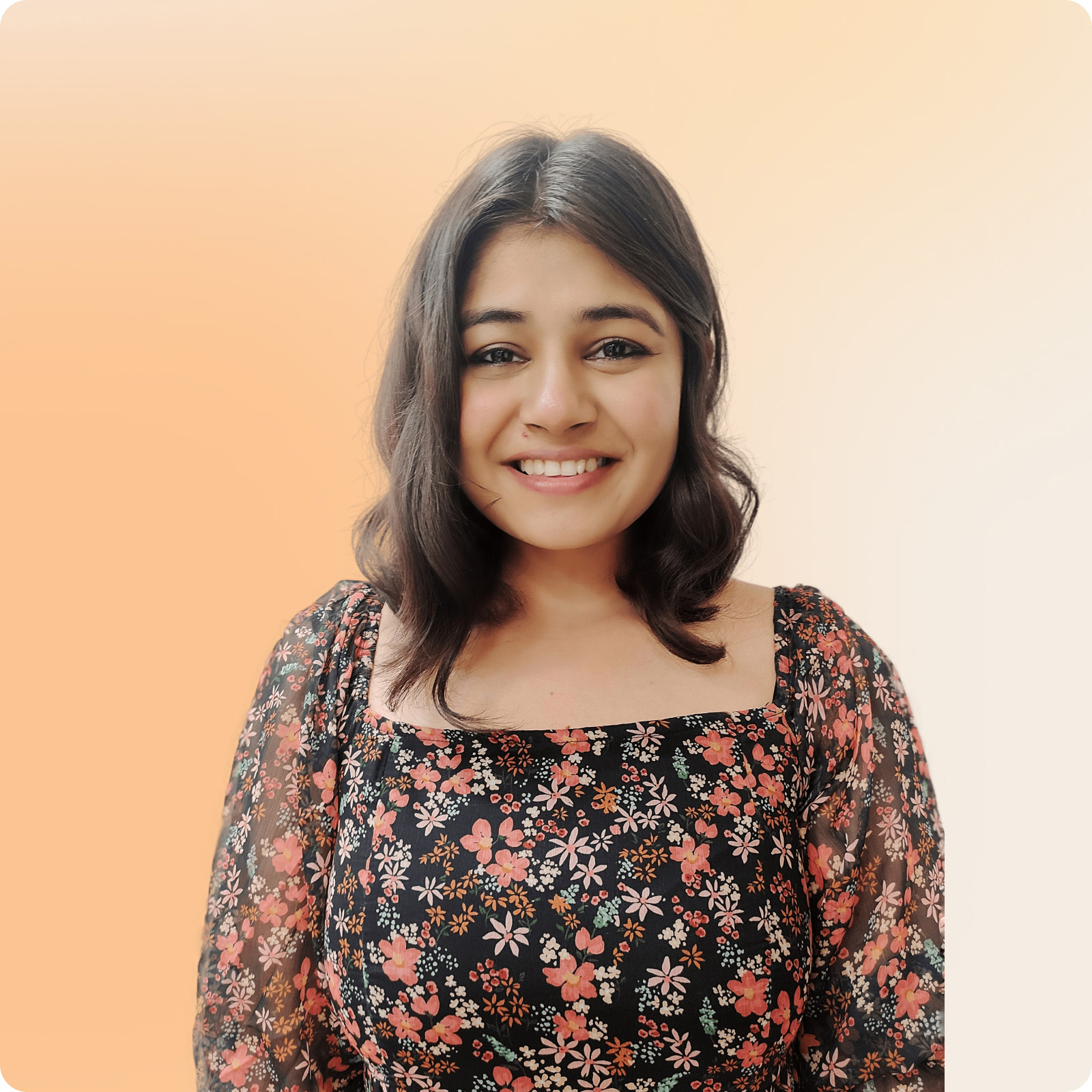
Dina Chaerani is an Indonesian feminist advocate who makes sexual and reproductive health and rights (SRHR) easier to talk about. She co-founded Sexdugram and hosts and produces Sex O'Clock News which streams on Instagram and YouTube for the Family Planning News Network. Both of Dina’s platforms turn research and policy into language young people can use.
Dina works closely with young people, survivors, LGBTQIA+ individuals and disabled people. She works with rural communities, and local creators, treating them as partners rather than as sources of content. As a 2026 Global Fellow in Courage, Dina is building structures that will enable this work to last. As she explains below, she believes courage is strongest when it is shared.
Before I joined Global Fellows in Courage, much of my work was powered by urgency. I co-founded Sexdugram in Indonesia and now host and produce Sex O'Clock News for the Family Planning News Network because accurate, feminist information about sexual and reproductive health and rights could not wait for perfect funding or institutional permission. That urgency helped me build Sexdugram.
The Fellowship has already changed the questions I ask. I am thinking more seriously about how these platforms can grow without depending on my constant availability. How do we fund a feminist newsroom without softening its politics? How do we share editorial power with contributors, protect people facing harassment and measure whether our work moves someone from scrolling to understanding and then to action?
Global Fellows in Courage has also connected me with people who understand both the ambition and the cost of human rights work. I have been matched with a coach and can test ideas with Fellows who bring experience from very different struggles to the Fellowship. The program is helping me turn two initiatives built through conviction and unpaid emotional labor into work that is strategic, properly resourced and able to last.
I do not think courage is a personality type. It is a decision I have to make all over again after fear has given me sensible reasons to stay quiet. My body knows fear. I have survived violence, institutional dismissal, online harassment and doxxing (Doxxing is the process of searching for and publishing private information about a particular individual on the internet, typically with malicious intent. — Editor’s note). Courage has never meant that these experiences leave me untouched. It means they do not get the final word on what I say or build.
So yes, I consider myself courageous, although I say that with some discomfort. I speak publicly about sexuality, abortion, consent and bodily autonomy as an Indonesian Muslim woman in spaces where each part of that identity is sometimes used to question whether I belong. I keep choosing clear language when euphemisms would be safer.
I have also learned to distrust the version of courage that asks one person to keep going until she collapses. Courage can also mean logging off, asking for help, protecting a source, changing a plan when the risk becomes reckless or letting someone else carry the microphone. A movement that survives only through one woman's exhaustion has failed to protect its people. My courage is strongest when it becomes collective.

My work confronts the organized silence around sexual and reproductive health and rights: the shame, misinformation, censorship and institutional cowardice that keep young people from accessing information they can use.
Indonesia does not lack young people who are asking questions. But it has too many adults and institutions that punish the question instead of answering it. Silence has consequences. It leaves a child without words to recognize abuse, a survivor unsure whether she will be believed and someone facing an unintended pregnancy at the mercy of misinformation.
As a Muslim woman, I know this issue is often framed as a conflict between faith and rights. I refuse to surrender faith to people who weaponize shame. Dignity, care, justice and protection from harm are also moral commitments.
By mid-2026, my Instagram platform had grown to 13.7K followers and my recent content had reached about 130K accounts. I value those numbers because feminist SRHR information is routinely restricted online. Those reach numbers mean the message has traveled beyond the usual echo chamber.
Sex O'Clock News and Sexdugram have also allowed me to bring youth-facing feminist communication through the World Health Organization, UNFPA, Women Deliver and Orchid Project. I turn technical discussions into content a young person can use, and I bring the realities of young people and survivors to the attention of institutions that too often speak about them from a distance.
Every time a difficult issue reaches someone in language that respects their intelligence, silence loses some of its power.

In the next decade, I want every young person in Indonesia and beyond to be able to search for consent, contraception, abortion, pleasure, gender identity or recovery from violence and be able to find accurate information in Bahasa Indonesia that neither shames nor endangers them. I want schools to teach age-appropriate, comprehensive sexuality education before a crisis forces the lesson. I want survivors to encounter a system that responds with care instead of disbelief.
For Sexdugram and Sex O'Clock News, this means building durable feminist media infrastructure across Indonesia and Southeast Asia. The work should no longer depend on whether one creator can outwork an algorithm.
Dina's work is a reminder that silence is never neutral. Through Sexdugram and Sex O'Clock News, she is giving young people in Indonesia honest answers to the questions they are already asking. We are proud to have her in the 2026 Cohort.